

Agaete
Agaete
A traditional fishing village on Gran Canaria's northwest coast, with volcanic natural pools, dramatic cliff scenery and the island's only ferry link to Tenerife.
Agaete sits on the northwest coast of Gran Canaria, about an hour from the main south coast resorts. It is one of the most authentic places on the island, a proper fishing village where local life still goes on around the harbour of Puerto de las Nieves. Behind it, the Tamadaba mountains rise steeply to the sky. It is a world away from the tourist south, and that is exactly its appeal.
What [Destination] is known for
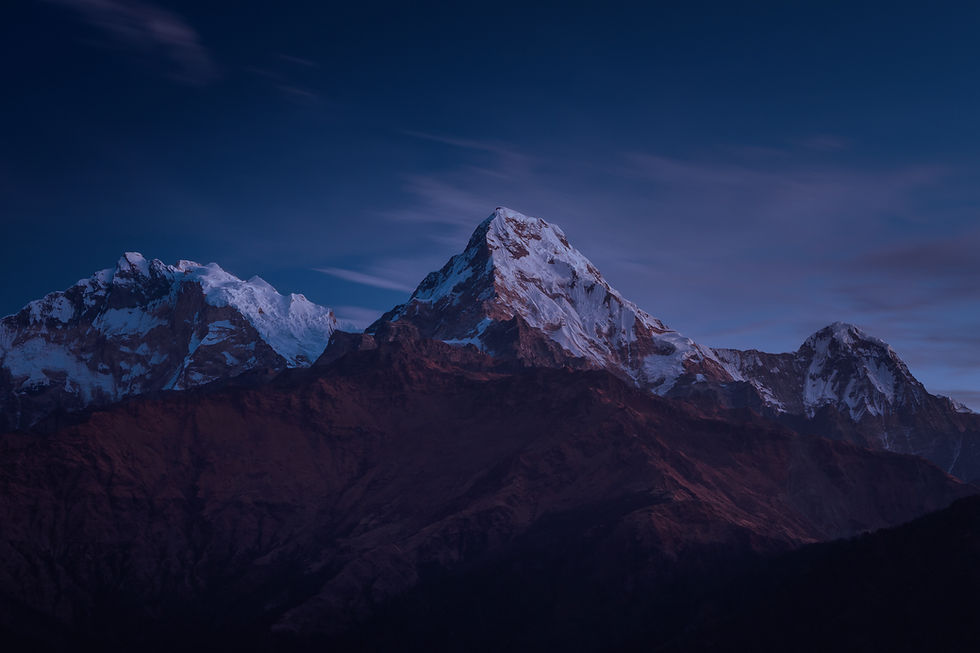
Agaete is best known for three things: its natural pools, its seafood and its scenery. The Las Salinas natural pools are three large volcanic rock pools connected by underwater tunnels, fed by the Atlantic and sheltered from the open ocean. They sit a ten-minute walk from the harbour and are one of the most beautiful places to swim on the island. The harbour at Puerto de las Nieves is a pretty cluster of blue and white buildings, with fishing boats and the ferry to Tenerife alongside the jetty. The ferry crossing takes around 80 minutes and is a popular day trip. The promenade and the restaurants around the harbour are the most visited part of the village. The scenery around Agaete is dramatic. The Tamadaba National Park rises behind the village, with Canarian pine forests and the Risco Faneque, one of the highest active sea cliffs in the world. On a clear day, the peak of Teide in Tenerife is visible from the harbour. The municipality also grows its own coffee in the valley above the village, the only commercial coffee grown in Europe. The Bajada de la Rama festival in August, one of Gran Canaria's oldest and most important celebrations, takes place here each year.


5WTP
Experience Name
Description

5WTP
Region name
Description

5WTP
Region name
Description
5WTP
Region name
Description
5WTP
Region name
Description
5WTP
Region name
Description
Things to do in [Destination]
Swim and snorkel in the Las Salinas natural pools, which are best on a calm day when the light is clear. Eat fresh fish at the harbour restaurants, which are some of the best on the island. Take the ferry to Tenerife for a day trip and return before sunset. Walk the promenade and the harbour, then follow the path up through the old town for views of the cliffs and the sea. For walkers, the Tamadaba National Park has trails through pine forest with wide views.
Where to stay in [Destination] (City)
Food and drink in [Destination]
Agaete is one of the best places for seafood in Gran Canaria. The restaurants around Puerto de las Nieves serve fresh fish caught nearby, with the local speciality being simply grilled fish with mojo sauce and papas arrugadas. The village also produces its own coffee from the valley above, worth trying as a novelty.
5WTP
Restaurant Name
Description
Airport Code
Region name
Description
Airport Code
Region name
Description
00
00
00
/
Feels like
00
Condition
Weather summary text
Wind Description
00 km/h NE
Wind
UV Description
UV 0
UV
Rain Description
0 mm
Rain
2 Day Forecast
Forecast
0% Rain
00
/
00
°
Day
Forecast
0% Rain
00
/
00
°
Day
Weather today in [Destination]
Best time to visit [Destination]
Spring and autumn suit Agaete well, with mild, comfortable weather for exploring the town and its natural rock pools. Summer brings more heat but far fewer crowds than the south coast resorts. Winters are mild and quiet, with the town's everyday rhythm largely undisturbed.
Getting to [Destination] and around
Agaete is on the northwest coast, about 55km from Gran Canaria Airport (LPA) and roughly 50 minutes by car. Buses run from Las Palmas but take longer. A car is the most practical way to get here and to reach the natural pools and the national park. Ferries run from Puerto de las Nieves to Tenerife.
Nearest Airport to [Destination]
Nearest Sea Port to [Destination]
Travel tips for visiting [Destination]
The natural pools are at their best in calm weather, when the water is clearest. Eat at one of the harbour restaurants before catching the ferry, when everything is freshest. The ferry to Tenerife takes about 80 minutes, making it a good day trip if you start early. A car is really needed here, as buses are limited and the village is spread out. The Bajada de la Rama festival in August is one of the island's most lively and authentic events.


Events happening in [Destination]
What's on in [Destination] - annual festivals and events.
DATE
Destination
,
Country
Event Name
Collapsible text is perfect for longer content like paragraphs and descriptions. It's a great way to give people more information while keeping your layout clean. Link your text to anything, including an external website or a different page. You can set your text box to expand and collapse when people click, so they can read more or less info.
Date
Country
,
Country
Event Name
Collapsible text is perfect for longer content like paragraphs and descriptions. It's a great way to give people more information while keeping your layout clean. Link your text to anything, including an external website or a different page. You can set your text box to expand and collapse when people click, so they can read more or less info.
Town Name
Country
,
Country
Event Name
Collapsible text is perfect for longer content like paragraphs and descriptions. It's a great way to give people more information while keeping your layout clean. Link your text to anything, including an external website or a different page. You can set your text box to expand and collapse when people click, so they can read more or less info.
FAQs about visiting [Destination]
Helpful answers for planning your visit to [Destination].
Add a Title
Question
Answer.
Add a Title
Add a Title
Add paragraph text. Click “Edit Text” to update the font, size and more. To change and reuse text themes, go to Site Styles.
Add a Title
Add a Title
Add paragraph text. Click “Edit Text” to update the font, size and more. To change and reuse text themes, go to Site Styles.
All the islands of [Spain] (Singular Island)
countAllIslands-Islands
Mallorca
The largest Balearic island, with a grand capital, dramatic mountains and more than 200 beaches and coves.
Ibiza
World-famous for nightlife, but also an island of quiet coves, pine forests and a UNESCO old town.
Menorca
The quiet Balearic island, with turquoise coves, prehistoric stone monuments and a slow, unspoilt pace.
Formentera
A tiny, car-light island of white sand and turquoise water, reached only by ferry from Ibiza.

More destinations in [Country]
Discover more places and regions to stay in [Country].
Places to stay near [Destinations]
countNearby
Puerto Rico
Beach, Coastal
A busy, family-friendly resort on the south coast of Gran Canaria, claimed to have more hours of sunshine than almost anywhere in Europe.
Puerto de Mogán
Beach, Coastal
A small, picturesque fishing village on the southwest coast of Gran Canaria, known as Little Venice for its canals, colourful bougainvillea and pretty marina.
Other [Demonym] regions (Mainland)
countMoreRegions-Mainland
Catalonia
A proud northeastern region with Barcelona, the Costa Brava coves, Pyrenean peaks and its own language and culture.
Valencia
A sun-soaked eastern region of beaches, rice fields and orange groves, home to paella and the Costa Blanca.
Region of Murcia
A warm, sunny southeastern region of beaches, the Mar Menor lagoon and a rich Roman and farming heritage.
Andalucía
The sun-baked heart of southern Spain, home of flamenco, Moorish palaces, white villages and tapas.
Galicia
A green, Atlantic region in the northwest, with the Camino's end, fjord-like coves and superb seafood.
Asturias
A green northern region of dramatic mountains, a wild coast, cider houses and the Picos de Europa.
Cantabria
A compact green northern region with sandy beaches, the Picos de Europa and a famous prehistoric cave.
Basque Country
A distinctive green region of world-class food, the Guggenheim, surf beaches and a unique ancient language.
Community of Madrid
The central region built around Spain's capital, with world-class art, royal palaces and mountain escapes.
Castilla-La Mancha
The vast central plateau of windmills and castles, Don Quixote's country, with Toledo and Cuenca at its edges.
Castilla y León
A vast northern plateau of historic cities, Gothic cathedrals, castles and the Ribera del Duero wine country.
Aragón
A varied northern region running from the high Pyrenees to dry plains, with Zaragoza and striking Mudejar towers.
Navarre
A green northern region of Pyrenean valleys and the Camino, famous for Pamplona's running of the bulls.
La Rioja
Spain's most famous wine region, a small northern land of vineyards, bodegas and the Camino de Santiago.
Extremadura
A wild, unspoilt western region of Roman ruins, conquistador towns, jamón and rich birdlife.
Balearic Islands
Spain's Mediterranean island region, four distinct islands from lively Ibiza to quiet Menorca and Formentera.
Ceuta
A small Spanish city on the North African coast, a crossing point of cultures between two continents.
Melilla
A small Spanish city on the North African coast, known for its remarkable Modernist architecture.
Explore more destinations in [Country]
Explore the [Island Group] (Island)
countIslandGroups-Island
Tenerife
The largest Canary Island, crowned by Spain's highest peak, with year-round sun and two very different coasts.
Gran Canaria
A round island of huge variety, with southern sand dunes, a green mountainous interior and a lively capital.
Lanzarote
A volcanic island of black-and-red landscapes, white villages and the design legacy of César Manrique.
Fuerteventura
The Canary Island of endless beaches and constant wind, a paradise for surfers and beach-lovers.
La Palma
The greenest Canary Island, with volcanoes, rainforest and some of the clearest night skies on Earth.
La Gomera
A round, ravine-cut island of ancient laurel forest and a whistling language, reached by ferry from Tenerife.
El Hierro
The smallest, most remote main Canary Island, a quiet UNESCO geopark of volcanoes and clear diving waters.
La Graciosa
A tiny, car-free island of sandy tracks and empty beaches, reached by a short ferry from Lanzarote.
More in [Island] (Island)
countInIsland-Island
Maspalomas
Beach, Desert
The flagship resort of Gran Canaria's south coast, famous for its vast Saharan dunes, year-round sunshine and status as one of Europe's top LGBTQ+ destinations.
Meloneras
Beach, Coastal
Gran Canaria's most upmarket resort, between the Maspalomas lighthouse and the dunes, with a two-kilometre seafront promenade, five-star hotels and designer shopping.
Playa del Inglés
Beach, Desert
Gran Canaria's most famous and lively resort, with three kilometres of golden beach, the iconic Yumbo Centrum and some of the liveliest nightlife in the Canary Islands.
San Agustín
Beach, Coastal
A calm, refined beach resort on Gran Canaria's south coast, with a long Blue Flag beach, one of Europe's top thalassotherapy spas and easy access to the island's main attractions.
Tejeda
Mountain, Rural
Gran Canaria's most beautiful mountain village, perched at over 1,000 metres above sea level with sweeping views of volcanic craters, rocky peaks and almond orchards.
More in [Admin Area] (Mainland)
countAdminArea-Mainland
